
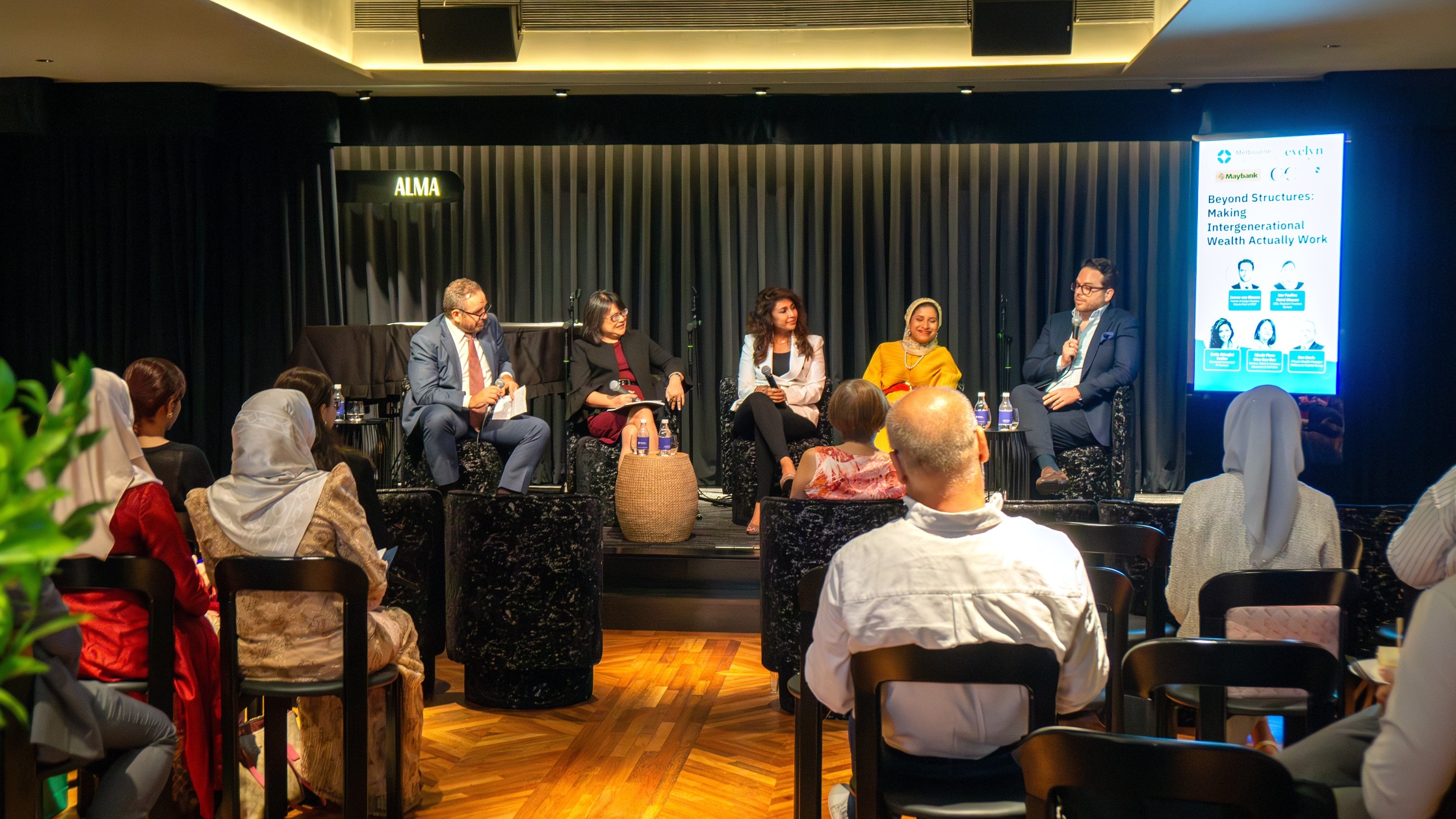
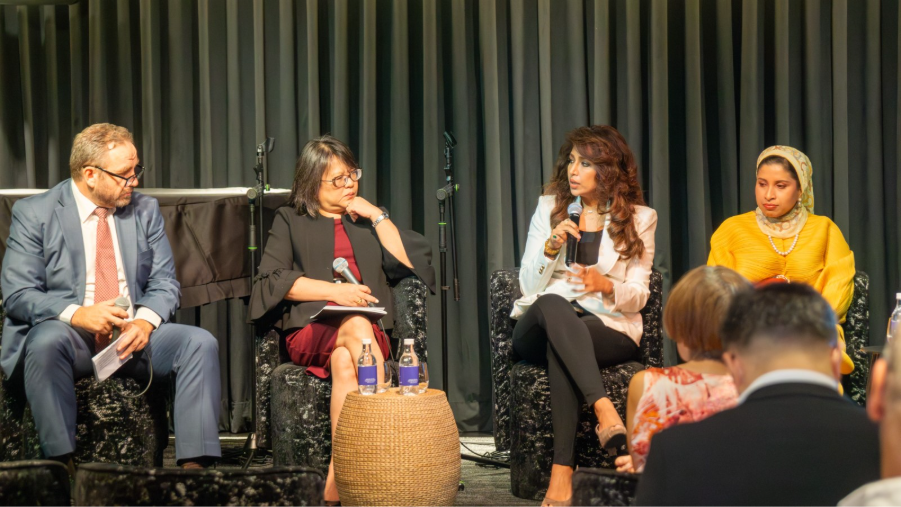
Melbourne Capital Group partnered with Evelyn Partners to host a Family Office panel bringing together specialists from Maybank Trustees, Chooi & Company Advocates & Solicitors, and JS Partners for a discussion on what separates families who successfully transfer wealth from those who don’t.
“We all work with clients who have structures in place, yet wealth transfer still fails. Families fall into dispute, and businesses don’t survive the transition. So, what’s actually going wrong beneath the surface?”
This was the question posed at the outset by moderator Ben Davis, Private Wealth Manager at Melbourne Capital Group, setting the tone for a discussion that moved beyond theory into the realities of succession planning.
Panel Overview

The panel brought together James Von Simson, Deputy Chair of STEP and Partner at Evelyn Partners; Dato Nor Fazlina Mohd Ghouse, Chief Executive Officer of Maybank Trustees; Dato Shivajini Seelan, Chartered Accountant at JS Partners; and Nicole Fiona Wee Sue-Ren, Partner at Chooi & Company Advocates & Solicitors.
Each brought a distinct perspective across governance, legal structuring, trustee oversight, and accounting advisory, grounding the discussion in real-world complexity rather than theory.
The conclusion that emerged was clear: most families do not lack structure. What they lack is the alignment, governance, and honest conversation needed to make those structures work.
Ink Without Action: The Gap Between Succession Planning and Succession Doing
Many families have had succession plans in place for years, yet when the moment arrives, outcomes rarely match expectations.
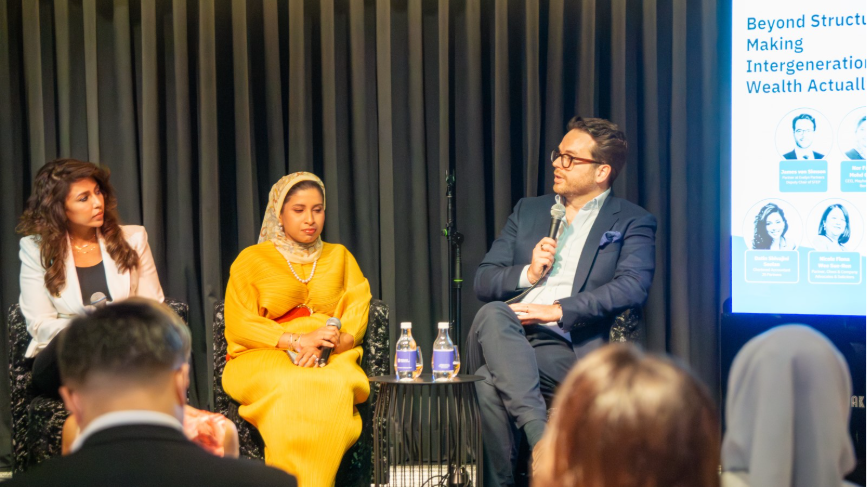
Drawing from his experience as Deputy Chair of STEP and a partner at Evelyn Partners, James Von Simson pointed to a recurring issue. Successors may be named, but they are rarely developed. When the next generation is not embedded in the business or the decision-making process, leadership naturally shifts elsewhere, creating immediate friction at the point of handover.
Across trustee and advisory roles, the message was consistent. Documentation alone is not enough. Execution, capability, and real involvement determine whether a plan holds.
This gap is often driven by assumption rather than alignment. Families presume understanding across generations, yet many heirs lack clarity on what they own, how it is structured, and what role they are expected to play within it.
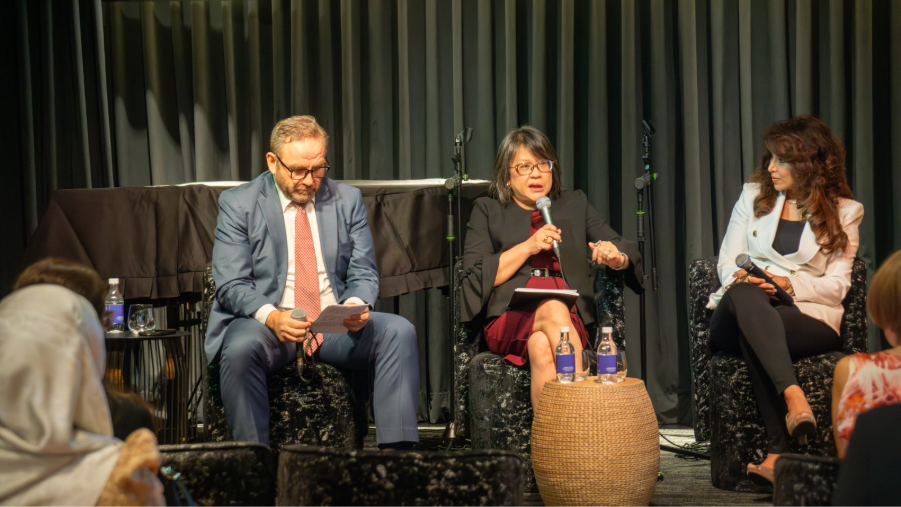
Bringing a legal perspective, Nicole Fiona Wee Sue-Ren illustrated this through a case study. A founder with eight children had a clear succession plan, but only one was actively involved in the business.
That individual had stepped into leadership early, while the others pursued separate paths., Ownership, however, remained equally distributed. The expectation that all children would eventually participate had never been articulated.
What followed was tension between contribution and entitlement, raising a difficult but necessary question: How should fairness be defined when involvement is unequal how should fairness be defined when involvement is unequal?
Cases like this are not uncommon, but they are also avoidable when expectations, roles, and ownership structures are addressed while there is still time and goodwill to do so.
The takeaway is clear. Succession is not just an act of transfer. It must account for what comes after, including governance, expectations, and how decisions are sustained beyond the founder.
Not Hired to Agree: The Difficult Conversations That Define Great Advisers
Succession planning is as much about people as it is about structure.
A recurring theme throughout the discussion was the role of the advisor, not as a facilitator of comfort, but as a driver of clarity. Avoiding difficult conversations does not preserve harmony. It simply defers conflict.
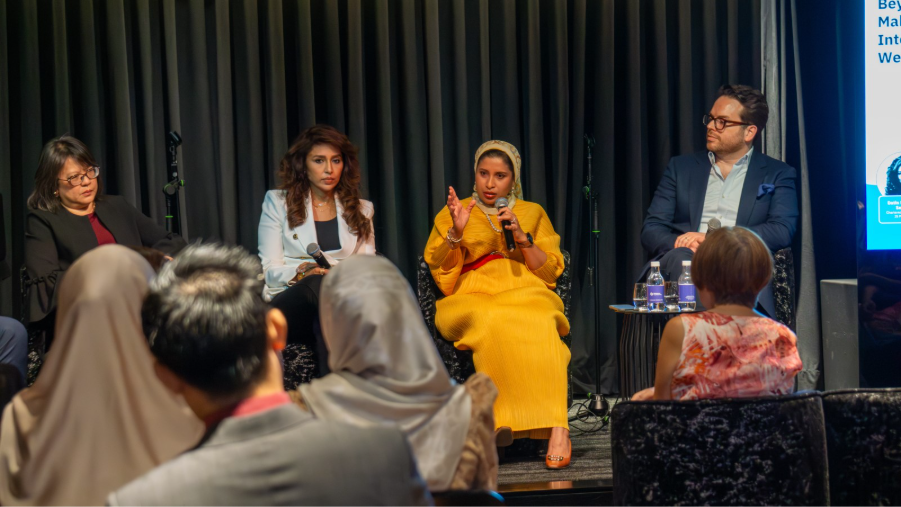
From her position as Chief Executive Officer of Maybank Trustees, Dato Nor Fazlina Mohd Ghouse spoke to a broader regional shift that shapes the environment advisers are working in. In many Asian family contexts, succession discussions have historically excluded the next generation. While this is changing, many families are now navigating that transition without a clear blueprint, and without the language or habit of open conversation about wealth, ownership and expectation.
This places advisers in a delicate intermediary role: balancing the legacy, values, and expectations of founders with the realities, capabilities, and sometimes very different ambitions of their children. While complex, this is also where advisers create the most value by bridging gaps that families often cannot navigate alone.
Too often, leadership is handed over in title but not in substance. The next generation is expected to step in, yet many lack the exposure, confidence, or even the desire to take on that responsibility. Our job as advisers at Melbourne Capital Group, is to surface this early, before the transfer, not after.
Beyond Structure: Governance, Dynamics and What Happens Next
Even with robust frameworks in place, outcomes can still falter without alignment across the family.
Governance must extend beyond legal documentation into consistent, structured communication. Without this, even well-intentioned plans can become a source of dispute.
From an accounting and advisory standpoint, Dato Shivajini Seelan emphasised the importance of coordination. Succession planning does not sit within a single discipline. When legal, tax, governance, and operational advisers work in isolation, gaps emerge. These gaps often result in inefficiencies, disputes, and value leakage that no individual structure can prevent.
At a practical level, families are also faced with a fundamental decision. Whether to preserve the business or exit. Both are legitimate paths, but preserving value requires capability, and that capability must be identified and developed long before the transition being. Where that groundwork is laid early, continuity becomes far more achievable.
There is no universal model. Every family brings its own dynamics, expectations, and complexities into the process. The structure must fit the family, not the other way round.
Start Now, Not Later
If there was one consistent call to action, it was this: start early.
Succession planning is not a one-time event, but a long, often complex process that demands time, clarity, and continuous intervention. The families who navigate it well are rarely those with the most sophisticated structures, they are the ones who had the difficult conversations before they became urgent.
At the heart of every issue discussed throughout the panel points back to the same requirement: the need for alignment.
Ensuring that expectations are clear, every voice is heard, and decisions are made with intention rather than assumption. Tools such as wills, trusts, and family office structures provide the framework, but they are only effective when they reflect the needs, goals, and realities of the people involved.
Ultimately, the role of the adviser is to bring these conversations into the open. To create clarity where there is uncertainty, and alignment where there is an assumption. Because when that happens, succession becomes more than a transfer of wealth. It becomes a transfer of values, intent, and the relationships that make them last.
.webp)
Explore our Insights
Our team of global experts share their perspective on markets and news from the company.
.jpg)

.jpg)
.jpg)