For years, the wealth management industry has explained women's lower engagement with financial planning as a "confidence problem,” but a report from the Compassion in Financial Services Hub suggests something much more complex.
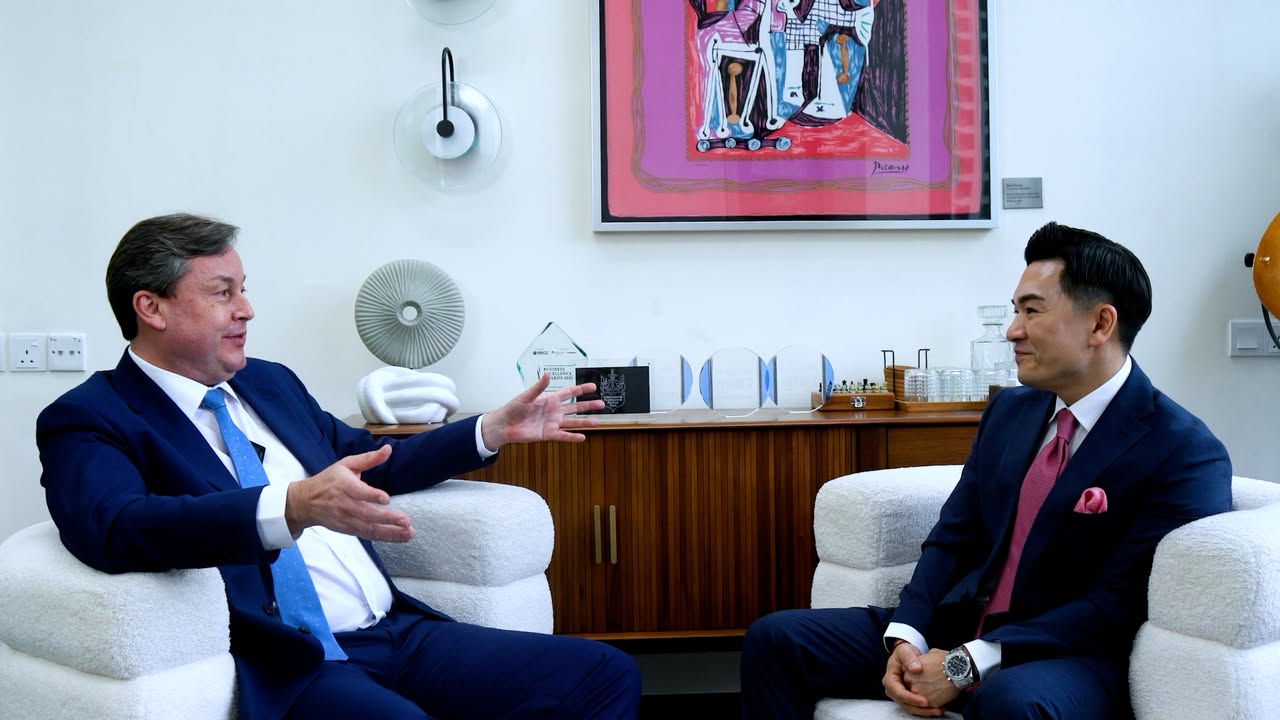
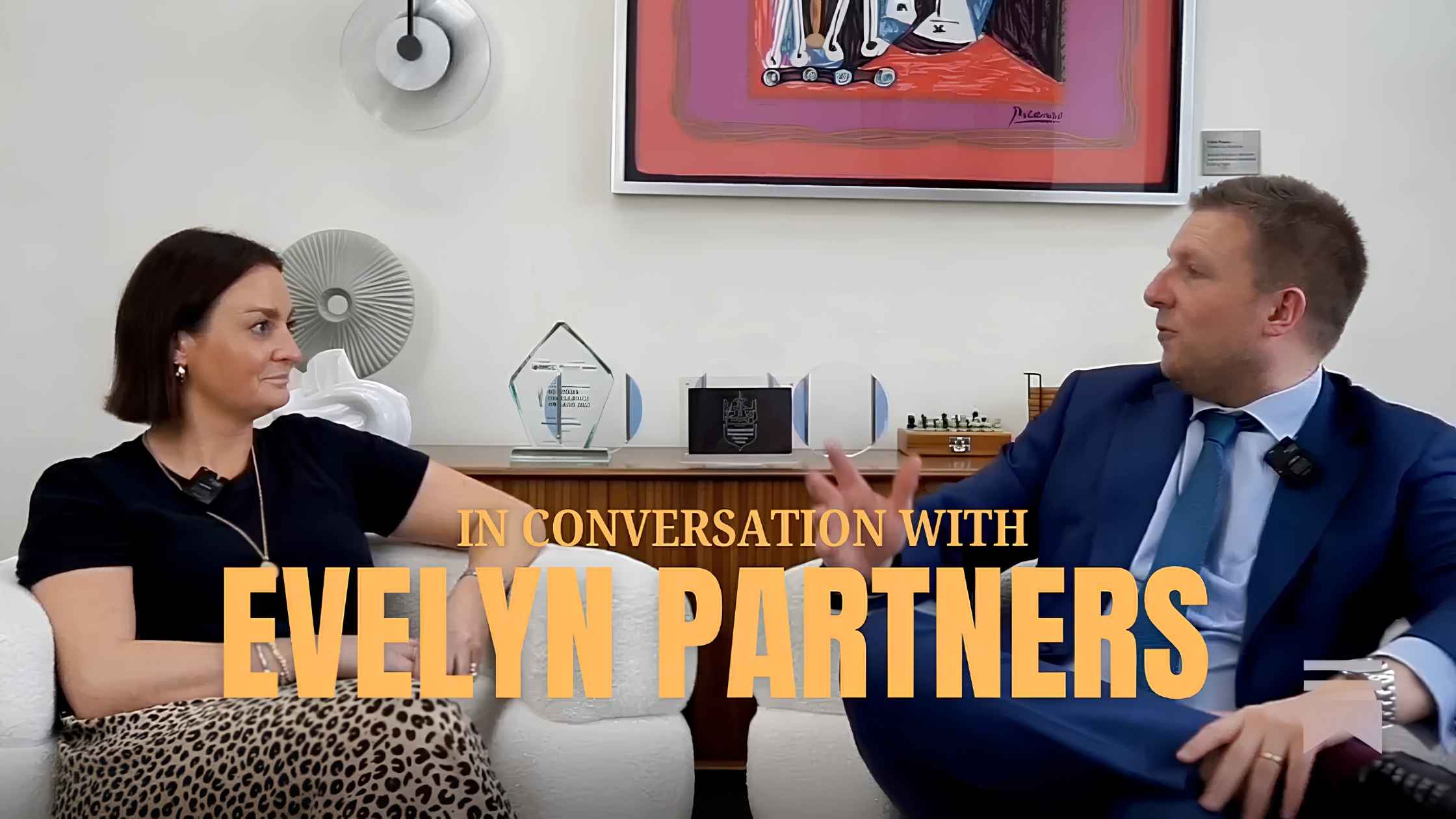
I sat down to talk to Harriette Collings, Director of Business Development at Evelyn Partners, a founding member of the Compassion in Financial Services Hub responsible for the report, where we talked about its findings.
You can watch our full conversation here. Both my reading of the report and my conversation with Harriette led me to think about what more we can do as an industry to promote women’s engagement in financial planning.
In this article I will explore;
- Women still being shut out of financial planning
- Reasons the report identified for women’s lack of engagement
- What the industry can and should be doing to address the problem.
More wealth, still shut out
Women are on course to control a growing share of global wealth, driven by longer life expectancy and inheritance. Globally, an estimated $124 trillion is set to change hands through the "Great Wealth Transfer," with women inheriting nearly 70% of it. Yet greater proximity to wealth hasn't translated into equal representation in financial planning. Indeed, women remain underrepresented as clients, decisionmakers and voices in the advice process. The question is; why?
For a long time, the industry has cited a lack of confidence, but this report tells us is that this is simply untrue.
It's circumstance, not confidence
According to the report; time, or a lack thereof, and the mental load women carry is a major contributor. The report notes women perform an estimated 73% of household cognitive labour and spend over three and a half hours a day on unpaid work on average. This is in part due to ongoing social norms, with the report noting that women often prioritise collective needs; things like the house, family, children ahead of their own long-term financial goals; like retirement. As Harriette put it: "It's not the fact that we're not confident to invest. We actually just sometimes don't have the headspace to think about it... it's not that they don't want to do it, it's just they don't have the capacity to do it."
Harriette also spoke about the modern ‘Cinderella affect’, the ongoing risk of women being sidelined from household financial decisions, usually unintentionally: "Women are often carrying much of the household's mental load... one partner naturally takes the lead on financial matters 'for now'. The challenge is that temporary arrangements can become permanent... The risk is that the imbalance often remains invisible until a major life event occurs — illness, divorce or bereavement."
And it’s not the fact that women aren’t aware that they ought to be engaging. In fact, the report looks at financial anxiety and shame, claiming more than one in three women (38%) say thinking about their finances makes them anxious, which can drive further withdrawal from planning.
These pressures often lead women to delay financial decisions until life feels more settled.
As Harriette explains: “The most common challenge is delay. Waiting until life feels settled before making important financial decisions, when in reality life is rarely ever settled.”
That delay can then lead to poorer outcomes, such as holding too much cash: an option that may feel safe in the moment but may result in devaluing wealth thanks to inflation.
The industry itself is a barrier
Vitally, the report highlights the wealth management industry plays a role in women’s lack of engagement. Financial advice has historically been designed around linear, male career paths rather than the interrupted, multi-phase working lives many women experience. Part-time work, periods of caregiving are often not considered.
Wider research beyond the report, highlight women are also being sidelined. According to Bucher-Koenen et al. (2025), published in the American Economic Review, researchers examined around 27,000 advisory meetings at a large German bank and it found women were less likely to be recommended pure equity funds and more likely to be steered towards the bank’s own balanced funds. The authors titled this; “statistical discrimination”, in short advisers use gender as a shortcut for financial sophistication.
This notion is supported in the UK with findings from Schroders and Ad Lucem showing that 45% of advisers said the male partner was their primary contact, and two-thirds admitted they found it difficult to engage both partners properly.
The industry needs to change
Women need to be recognised as financial decisionmakers and the industry needs to adapt to them, not the other way round. Firms that don't risk being left behind.
This means building an advice process women can actually engage with; discovery meetings that reflect caregiving, career breaks and life transitions, advisers trained in behavioural finance and inclusive communication, and planning that properly models non-linear earnings and pension gaps rather than defaulting to a straight-line career.
It also calls for services to be more accessible: flexible meeting formats, proactive support at key life events, and guidance that doesn't assume a high level of investable wealth, with firms tracking outcomes by gender and holding themselves to inclusion metrics, not just commercial ones.
Getting more women into the industry itself matters just as much. As Harriette put it, women often do prefer a female adviser — "perhaps just their rapport with who they get on better with, potentially a bit more empathetic, potentially explaining things in a different way."
Meeting women where they are
We've seen, first-hand, what happens when the format of the conversation changes. Earlier this year we co-hosted a series of events across Malaysia with Evelyn Partners, including a women's wealth brunch in Johor held under the theme Her Wealth, Her Terms — the first event of its kind that we had organised there. Our Private Wealth Manager Helen Thomas, who hosted it, noted afterwards how the women in the room kept the discussion going long after the formal session ended, asking questions and sharing their own experiences unprompted. It's a small example, but it reflects the report's central point: given the right setting, the appetite to engage with financial planning was never the issue.
Helen Thomas also penned an article exploring some of the practical steps women can take to secure their financial futures. Her insightful article also explores the common, additional financial realities that women face including; longer life expectancy and career breaks and how these must be factored into a robust financial plan. You can read it in full here.
Accessibility matters just as much outside the room. Not everyone is ready for, or wants, a formal advice conversation as a first step, which is part of why we put together a curated list of financial podcasts aimed at women, a lower-barrier way to start engaging with investing and retirement planning before ever picking up the phone to an adviser. It's a small piece of a much bigger puzzle, but it's built on the same principle the report raises: meet people where they are.
Be the change
For me as director, the clearest takeaway from the report has been to look at what more we can be doing as a firm to promote engagement amongst women. I know this won’t be achieved through a single initiative or one-off event. Instead, it will require an ongoing commitment to examining our practices and operations to ensure we’re doing everything we can. Getting it right will mean we’re not only serving women better but building an inclusive advisory that really delivers on our central tenet: whatever your financial goals, we can help.
We want to help you achieve your financial goals. Begin with a conversation on your terms, speak to one of our Private Wealth Managers.
Interested in the issues raised here, you can read more at Chris’ Substack: Thinking out Loud.
This article is for general information only and does not constitute financial advice and should not be construed as such. Outcomes depend on individual circumstances, and independent, professional advice should be sought before making any financial decision.

Explore our Insights
Our team of global experts share their perspective on markets and news from the company.