
Wealth Structuring in a Globalised World: Key Takeaways from the Malaysia Wealth Management Forum 2026
.jpg)
Panel Discussion Recap: Succession, Mobility, and Intergenerational Planning for Malaysian Families
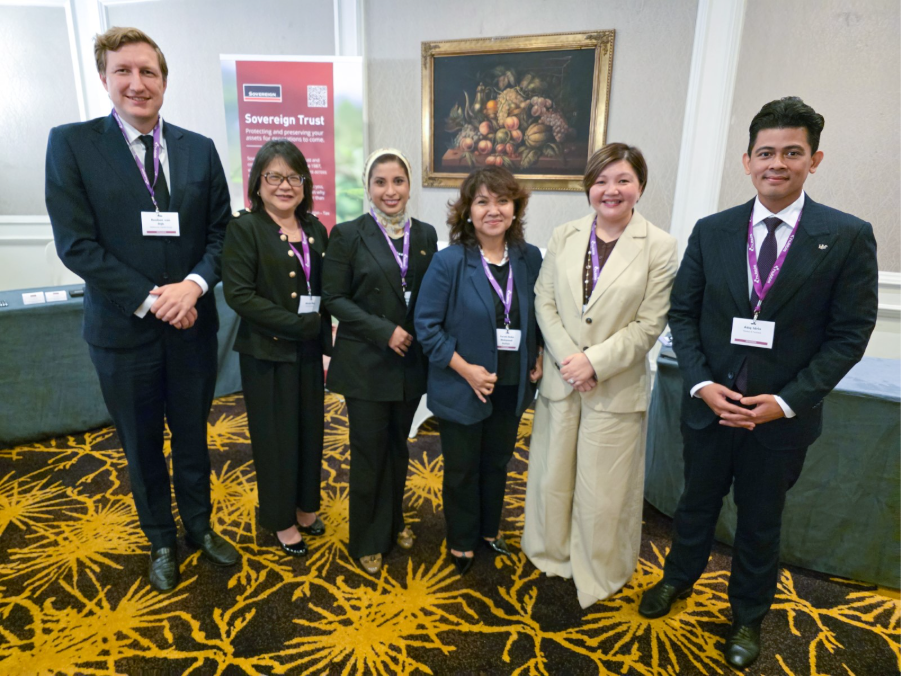
As Malaysian high-net-worth families become increasingly international in how they live, invest and structure their affairs, the conversation around wealth planning has never been more urgent or more complex. At the “Malaysia Wealth Management Forum 2026”, a senior panel of practitioners came together to examine how wealth structures must evolve to remain robust, compliant and fit for purpose.
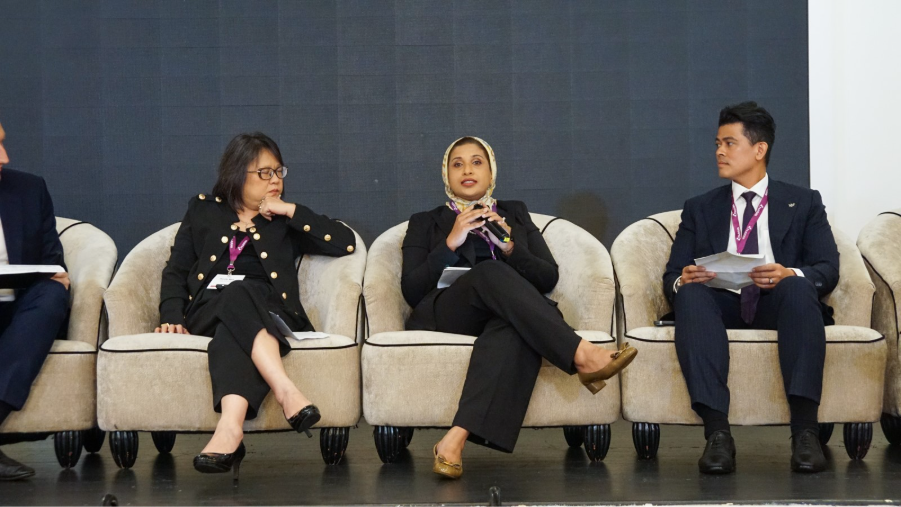
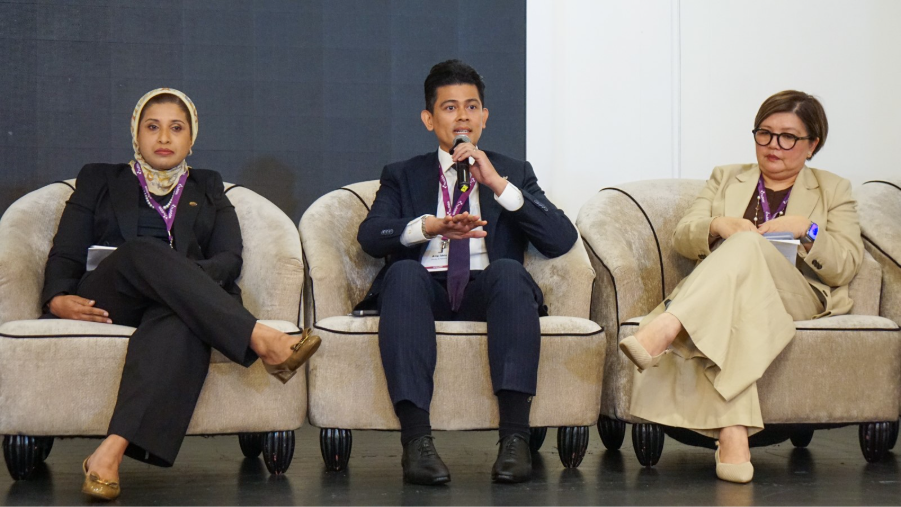
The panel was chaired by Reuben van Dijk, Director of Melbourne Capital Group and featured:
- Nicole Wee, Partner, Chooi & Company
- Dato' Nor Fazlina Binti Mohd Ghouse, CEO, Maybank Trustees
- Farah Deba Mohamed Sofian, Partner, Wong Lu Peen & Tunku Alina
- Myzalina Binti Michael Yunus, Head of Private Wealth, Maybank
- Atiq Idris, Private Client Adviser, Henley & Partners
Here are the key themes and insights from the discussion:
- Start With the Family, Not the Structure
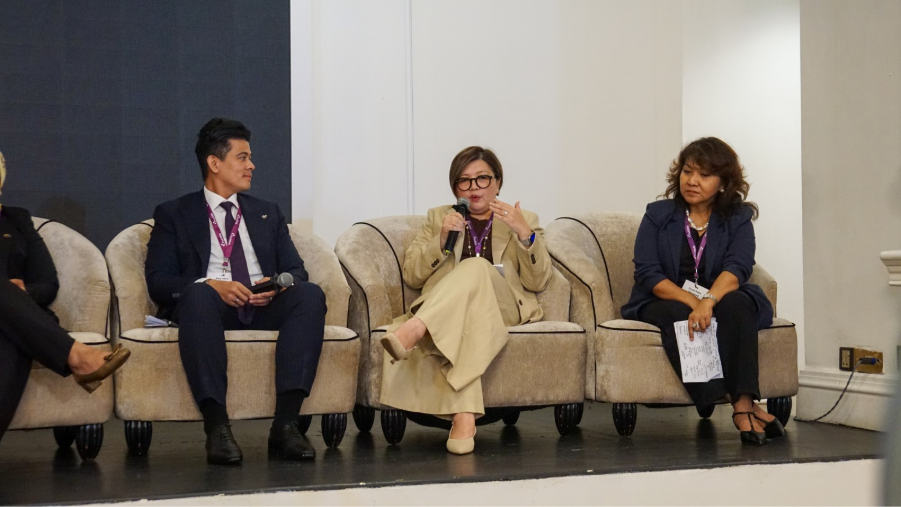
One of the most consistent messages from the panel was deceptively simple: the structure should serve the family, not the other way round.
Myzalina Binti Michael Yunus, Head of Private Wealth at Maybank, outlined Maybank’s approach. The conversations with clients never begin with a predefined structure. Instead, advisers first focus on understanding what the family is trying to achieve: succession planning, business continuity, multi-generational wealth preservation, or some combination of all three. Only once the foundation is established do they work with specialists and partners to build a customised ecosystem that is practical, compliant and long-term.
The most effective structures, she noted, are purpose-led and simple. Complex structures that families do not fully understand tend to fail in execution, no matter how technically sound they may be on paper.
Nicole Wee, Partner at Chooi & Company, strongly echoed this. A trust where the patriarch is simultaneously the settlor, trustee, and the beneficiary, a structure she has seen in practice, is one that risks being stripped down entirely, because it does not reflect the underlying objective. “As Fazlina puts it your structure must come alive”, she said. It’s the adviser’s responsibility to guide families not just toward what they want, but to explain clearly what can and cannot be achieved, and why.
- The Five Questions Every Succession Plan Must Answer
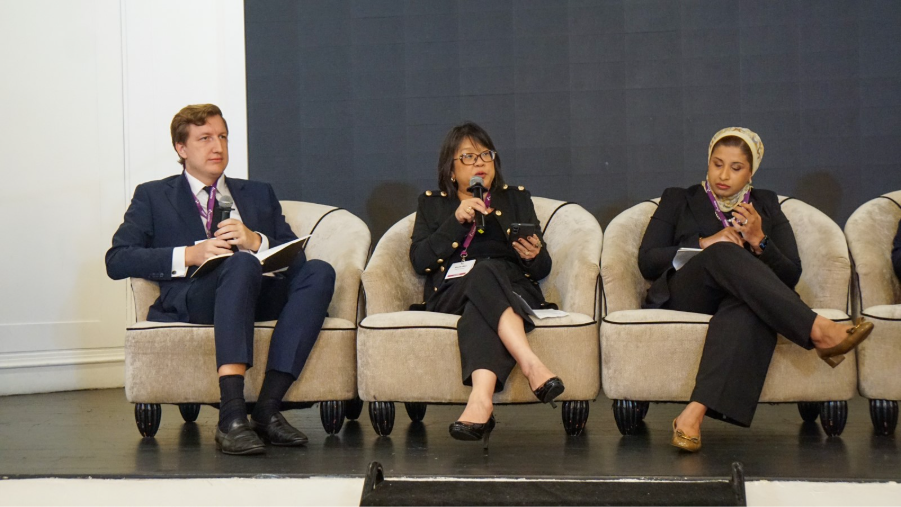
Nicole Wee, Partner at Chooi & Company, provided a practical framework for how advisers should approach succession planning, anchored in five core considerations.
Asset base: Where are the assets located, and what type are they? Different jurisdictions govern real property differently, and a plan that works in Malaysia may be entirely unenforceable in another country. Vietnam, for instance, does not recognise the common law concept of trust.
Family Structure: Succession planning must reflect actual family dynamics, not just what is written on paper. This includes understanding generational tensions, children from previous relationships, elderly parents, and vulnerable or special-needs family members who may require tailored protection.
Tax and Financial Exposure: With family members and assets increasingly spread across jurisdictions, inheritance tax, property tax, and the recognition of trust structures abroad must all be considered. Malaysian clients purchasing UK property, for example, often overlook inheritance tax implications until it's too late.
Business Continuity: For family businesses, the absence of proper succession plans can be catastrophic if the patriarch, as the key person, passes away or becomes incapacitated without identified successors or proper documentation, the business can fall.
Fair Doesn’t Mean Equal: Dividing an estate equally among children is not the same as dividing it fairly. Children who have been educated overseas, worked in the family business or have special needs all represent different circumstances that demand a more nuanced approach.
- Governance is an Invisible Architecture
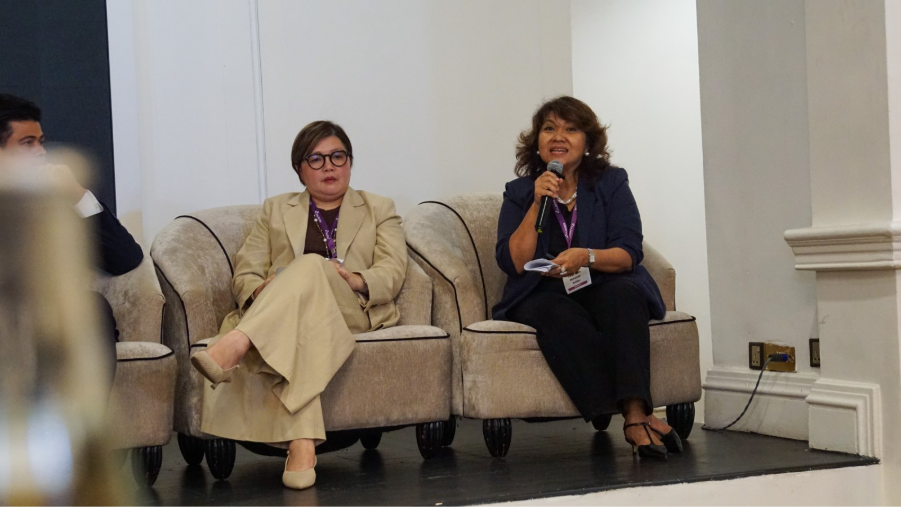
Beyond legal structures, several panellists emphasised that governance, how families actually navigate decisions, relationships, and succession, is what determines whether a structure lives or dies.
Farah Deba Mohamed Sofian, Partner at Wong Lu Peen & Tunku Alina outline the three overlapping pillars of governance: business governance, ownership governance, and family governance.
Governance is not just a document. A family constitution, shareholders' agreement, or policy character is not as effective as practice. The real question is whether trustees can build genuine trust with families, articulate the founders' values, and facilitate communication across generations.
Structures such as advisory boards or protector committees can help here, going beyond a simple yes/no mechanism to allow different quorum requirements and different decision-making processes for different subject matters. Exit mechanisms for family members who no longer see eye to eye are equally important. If one sibling or cousin wants out, there must be a clear, agreed path to do so.
The panel was also candid about Malaysia’s specific context. For Muslim families, there is a tendency to turn to simple solutions such as Hibah, an Islamic gift, as a catch-all for succession. But as Dato’ Nor Fazlina Binti Mohd Ghouse, the CEO of Maybank Trustees, highlighted, “Hibah may not be the right solution for a business owner who needs business continuity across generations. The Islamic inheritance framework is complex, applying differently in life versus at death, and advisers must be careful not to oversimplify in ways that ultimately harm clients.”
- Liquidity: The Often-Forgotten Piece (H2)
A theme that emerged with particular clarity was liquidity, or the lack of it. As Myzalina Binti Michael Yunus, Head of Private Wealth, Maybank observed, most high-net-worth clients are asset-rich and not immediately liquid. Their wealth is tied up in businesses, properties, and long-term investments. When the time comes to execute succession or wealth transition, the lack of readily available cash can become a significant obstacle.
This is where insurance planning plays a strategic role, not as a standalone product, but as an integral part of the family’s broader succession journey. Insurance can be used to:
- Provide immediate liquidity: at the point of wealth transfer, avoiding the need to liquidate illiquid assets under pressure.
- Support estate equalisation: particularly where assets are difficult to divide (a family business, for example, cannot simply be split in 3 ways).
- Mitigate tax exposure, such as inheritance tax on UK property held by Malaysian clients.
- Fund business continuity: ensuring operations can continue while longer-term succession arrangements are put in place.
- Ring fence specific funds: for specific branches of the family, which is especially relevant in Southeast Asian families with multiple family lines.
- When to Transition to an Institutional Structure
One of the more practically charged questions of the discussion was: at what point should a family consider moving from an operating business structure to something more institutionalised, such as a single-family office or a formal investment platform?
Dato' Nor Fazlina Binti Mohd Ghouse, CEO, Maybank Trustees, was candid: nobody wants to talk about death, and nobody wants to invest time and money in structures whose benefits are neither immediate nor visible. One of the biggest barriers to transition is a lack of control. Business owners who have built their assets from the ground up are naturally reluctant to transfer them to a structure that feels like it removes their oversight.
Her response: If the intention is for the business to continue into the next generation, the conversation with the right adviser must happen now. For Malaysian business owners, the Labuan Foundation offers a compelling solution that provides both flexibility and control while ensuring regulatory compliance. The key, however, is that the structure must be paired with a genuine intent to transfer. A foundation with nothing in it, as one client’s situation illustrated, achieves nothing.
- International Collaboration is Not Optional
With Malaysian families holding assets in multiple jurisdictions and family members living in Hong Kong, Singapore, the UK and beyond, the panel was unanimous: seamless international collaboration between advisers is no longer a differentiator; it is a requirement as highlighted by Atiq Idris, Private Client Adviser, Henley & Partners.
The practical implications from advisory teams are clear. Whether a client’s real estate advisers are based in London, their primary Bankers in Kuala Lumpur and their trustees in Labuan, the client experience must feel integrated. Silos are a failure of coordination, not a structural inevitability.
- The Generational Transfer is Already Underway
Myzalina Binti Michael Yunus, Head of Private Wealth at Maybank, painted a macro context: approximately USD 1.3 trillion in wealth is being transferred from the first to the second generation across the region.
The families navigating this transition successfully will be those who have built not just the right structures, but the right values alongside them. Advisers, bankers, lawyers, trustees and Insurance planners all have a role to play, not in isolation but as a genuinely integrated team.
A Final Word from the Chair
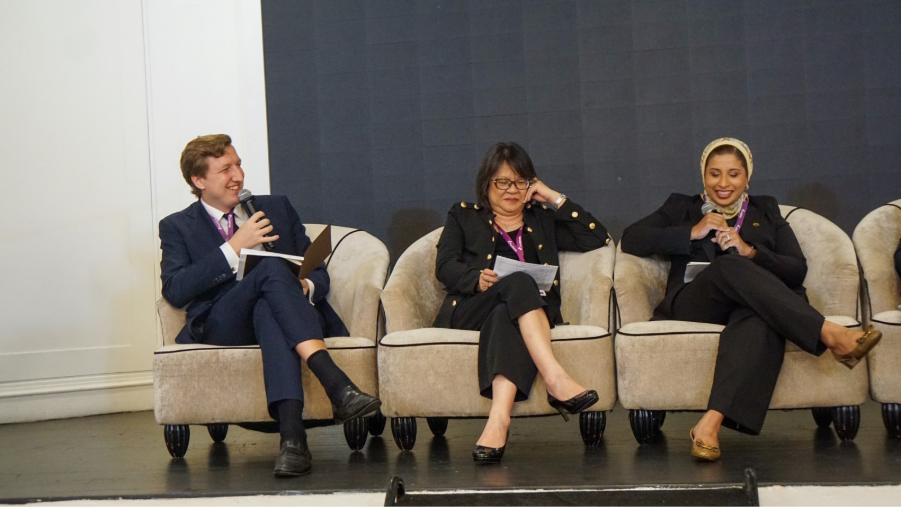
Closing the session, Reuben observed that every question the panel had explored; liquidity, governance, and cross-border coordination, ultimately came back to one thing: TRUST. Trust between adviser and client, between generations, and between family members who may see the world very differently. The tools are only as powerful as the relationships that surround them. For Malaysian families navigating globalisation, generational transition, and evolving regulation, the greatest advantage is not the structure they choose, but the quality of the conversations they are willing to have.
Planning Across Borders
The themes explored in this panel; cross-border asset structuring, intergenerational succession, governance, liquidity, and the coordination of advisers across multiple jurisdictions are precisely the challenges that internationally mobile families face every day. If these conversations resonate with your own planning situation, Melbourne Capital Group's advisers work with families across the Asia Pacific to bring clarity and cohesion to complex, multi-jurisdictional financial lives. Whether you are navigating a business transition, structuring assets across several countries, or planning for the next generation, we help you build a framework that is practical, compliant, and aligned with what your family actually values. To find out more, click here.
.webp)
Explore our Insights
Our team of global experts share their perspective on markets and news from the company.
.jpg)

.jpg)
.jpg)