From Strategy to Action: Takeaways on Neurodiverse-Inclusive Workplaces in Malaysia
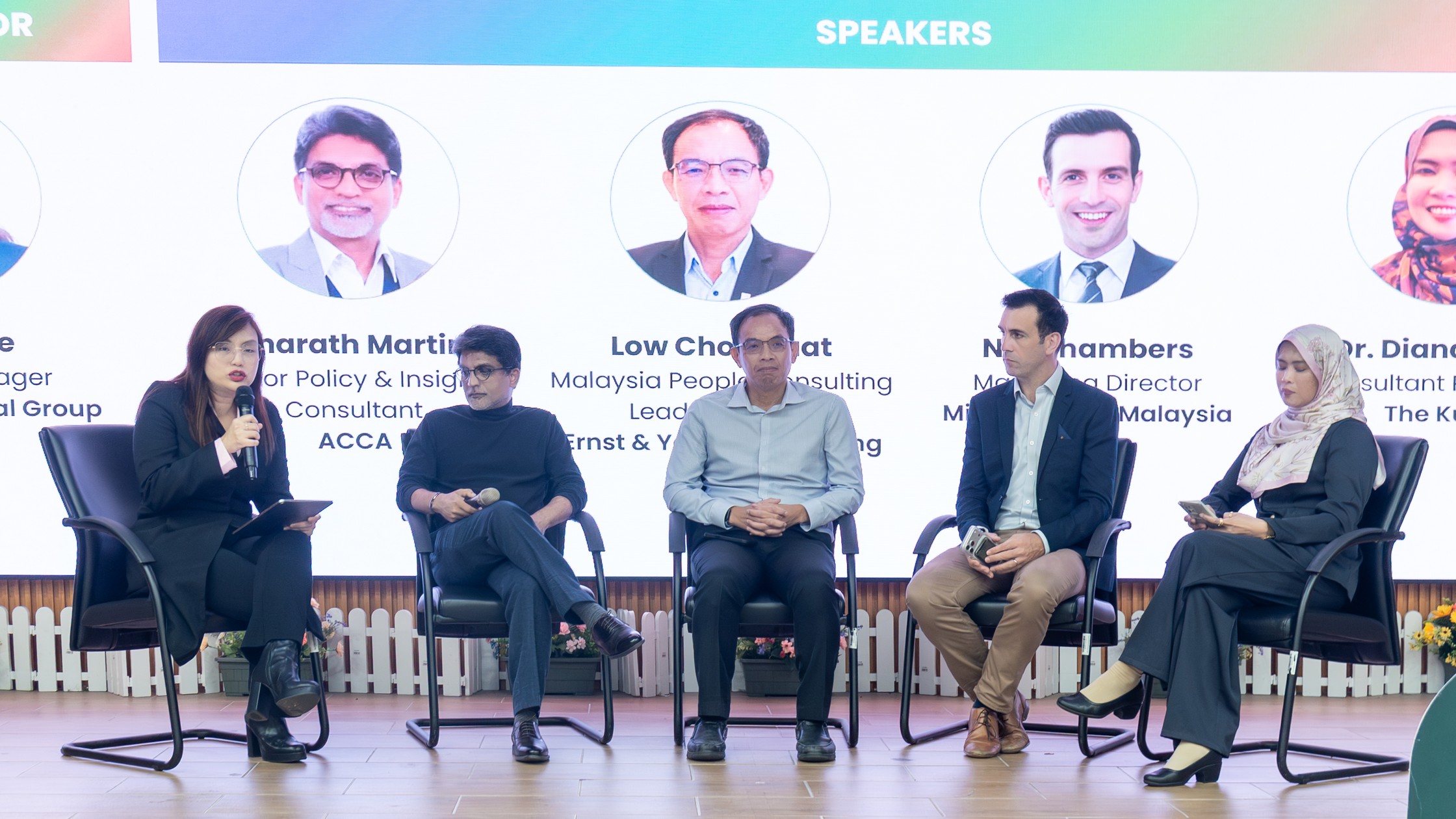
Building a neuro-inclusive workplace in Malaysia depends less on big budgets than on mindset, skills-based hiring and small adjustments made for each person. That was the main message from Creating Neurodiverse-Inclusive Workplaces: From Strategy to Action, a panel discussion held at Neurodiversity at Work and Beyond: One Size Doesn’t Fit Every Mind, a collaboration between the British Malaysian Chamber of Commerce (BMCC) and Permata Kurnia.
Moderated by Nicole Sue, Business Manager at Melbourne Capital Group, the session started with a question that rarely gets enough attention. Much of the support for neurodivergent people focuses on childhood and education. But what happens when those children grow up and want careers, financial independence and a full part in society? It is a question close to Melbourne Capital Group’s own work: financial independence depends on steady employment, and steady employment depends on workplaces where people can stay and grow. Close to 100 people came to hear the answers, roughly twice the number expected.
The panel: Sharath Martin, Senior Policy and Insights Consultant, ACCA · Low Choy Huat, Partner and Malaysia People Consulting Leader, EY · Nic Chambers, Managing Director, Michael Page Malaysia · Dr Diana Dollah, Consultant Psychiatrist, The Kuaya.
Culture, not policy, is the real barrier

Guidelines on neuro-inclusion already exist, including the model framework of integrated support for neurodivergent employment that PERKESO presented in the keynote. Organisations can pick them up and adapt them. What holds things back is culture: the stigma that still surrounds neurodiversity in Malaysia, and a tendency to treat inclusion as a budget request rather than a decision leaders can simply make.
The panel was also wary of swinging too far the other way. Describing neurodivergent people as having “superpowers” may sound positive, but it can be just as limiting as focusing on what they can’t do. Sharath Martin of ACCA described the more accurate picture as a “spiky profile”: real strengths in some areas and challenges in others, as most people have. Many of the adjustments that help neurodivergent employees, such as sharing a meeting agenda in advance, make work better for everyone.
The shift needed, as Low Choy Huat of EY put it, is from sympathy to empathy, and from equality to equity. Treating everyone the same isn’t the same as treating them fairly. Nic Chambers of Michael Page Malaysia summed up the mood: it’s time to move “away from awareness, awareness, awareness, and into action”.
Hiring for skills, not CVs

Recruitment is one of the clearest places to start. Hiring in Malaysia still leans heavily on previous employers and job titles, an approach Nic described as “round peg, round hole”. Looking at transferable skills, including those built in other industries, widens the talent pool considerably and brings in candidates who would otherwise be filtered out.
Choy Huat shared that EY’s work with Petronas showed what this can look like. A security operations role was adjusted from shift work to regular hours, and a neurodivergent geopolitics graduate with no cybersecurity background was hired. Before his first day, his working environment was simulated, down to the lighting and the chair. Once in the role, he noticed patterns in incoming tickets that colleagues had missed. The automation that followed saved more than 4,000 working hours, and Petronas has since extended the approach to other roles.
Support that fits the person
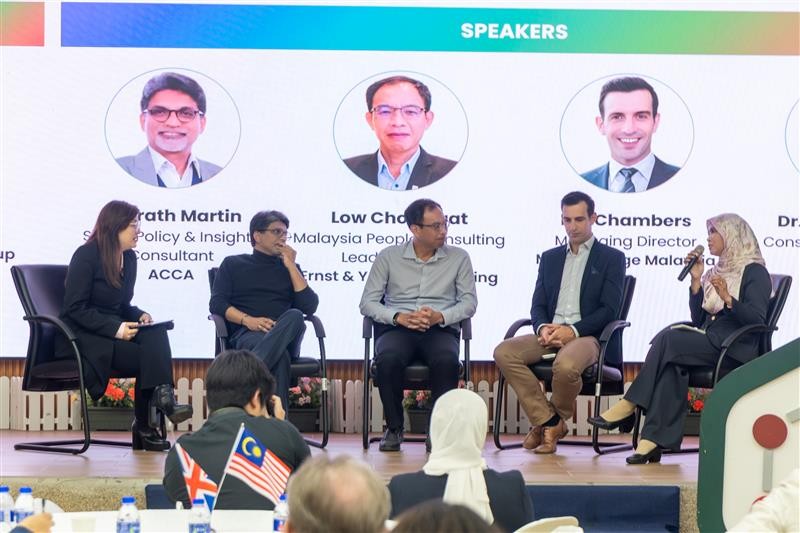
Getting someone through the door is only the first step. Dr Diana Dollah pointed out that many neurodivergent adults have learnt to mask their difficulties. Some arrive at her clinic with strong qualifications but a history of short-lived jobs, anxiety and financial insecurity.
Her advice was to tailor support to the individual. That might mean a “buddy” to help with execution, closer attention during the first three months, or HR teams trained to recognise early signs of stress and burnout. Very little of this is expensive. Clearer communication and some flexibility in how work is designed often make the biggest difference.
Where AI fits in
AI came up as both an opportunity and a risk. Automated screening can filter out capable candidates, and AI-assisted applications are making CVs harder to tell apart. Both are further reasons to assess skills directly. At the same time, tools such as the AI agent EY has built to help neurodivergent colleagues plan their day can ease some of the pressure of everyday work.
An audience member raised a harder question. If pattern recognition is increasingly automated, are employers steering neurodivergent talent into roles with a limited future? Sharath’s view was that AI replaces tasks rather than whole jobs, and that the need to keep learning applies to everyone, not only to neurodivergent employees.
Looking ahead
Neurodivergent people are often estimated to make up 15–20% of the population, and the panel suggested the real figure may be higher. A recent US study found that 53% of Gen Z respondents identified as neurodivergent. In other words, these are tomorrow’s leaders, professionals and customers.
Change won’t happen overnight. But the discussion made one thing clear: employers already know much of what needs to be done. The task now is to do it.

Explore our Insights
Our team of global experts share their perspective on markets and news from the company.