London Still Hums: Our Director’s Reflections from the World’s Most Connected Financial City
There is a moment, somewhere between stepping off the Tube at Bond Street and the first coffee of the day, when you remember why London still matters. The pace of it. The sheer density of capital, ideas and people moving in the same few square miles. You can read about a financial centre. You cannot feel one until you're actually standing in the middle of it.
I spent a week doing exactly that, and I came home with a stronger conviction than I left with.
The city is not quietly declining
You hear a lot about the UK declining and I generally agree. IPO Listings drifting elsewhere, talent drifting elsewhere, capital drifting elsewhere. Then you arrive in London, and the story on the ground doesn't quite match.
The most recent Global Financial Centres Index puts New York first and London second, separated by a single rating point, with Hong Kong and Singapore just behind. London ranks first in the world for infrastructure. That last point is the one visitors feel immediately. You can hold three meetings across three postcodes in a single day and be early for all of them.
Which brings me to the Underground. For anyone used to sitting in traffic to get anywhere, the London transport network is a genuine competitive advantage for the city. A contactless tap, a seven-minute ride, done. No parking, no scheduling buffer, no excuses. The Elizabeth Line has quietly rewritten what's reachable. Add the Routemasters still running for private hire and the black cabs that know the city better than any satnav, and you have a place built for people who need to be in the room. Wherever our meetings took us, we found ourselves drifting back towards Bank, and more often than not to The Ned. Do all roads lead to Bank?
Discussions with the CIO at Pacific Asset Management
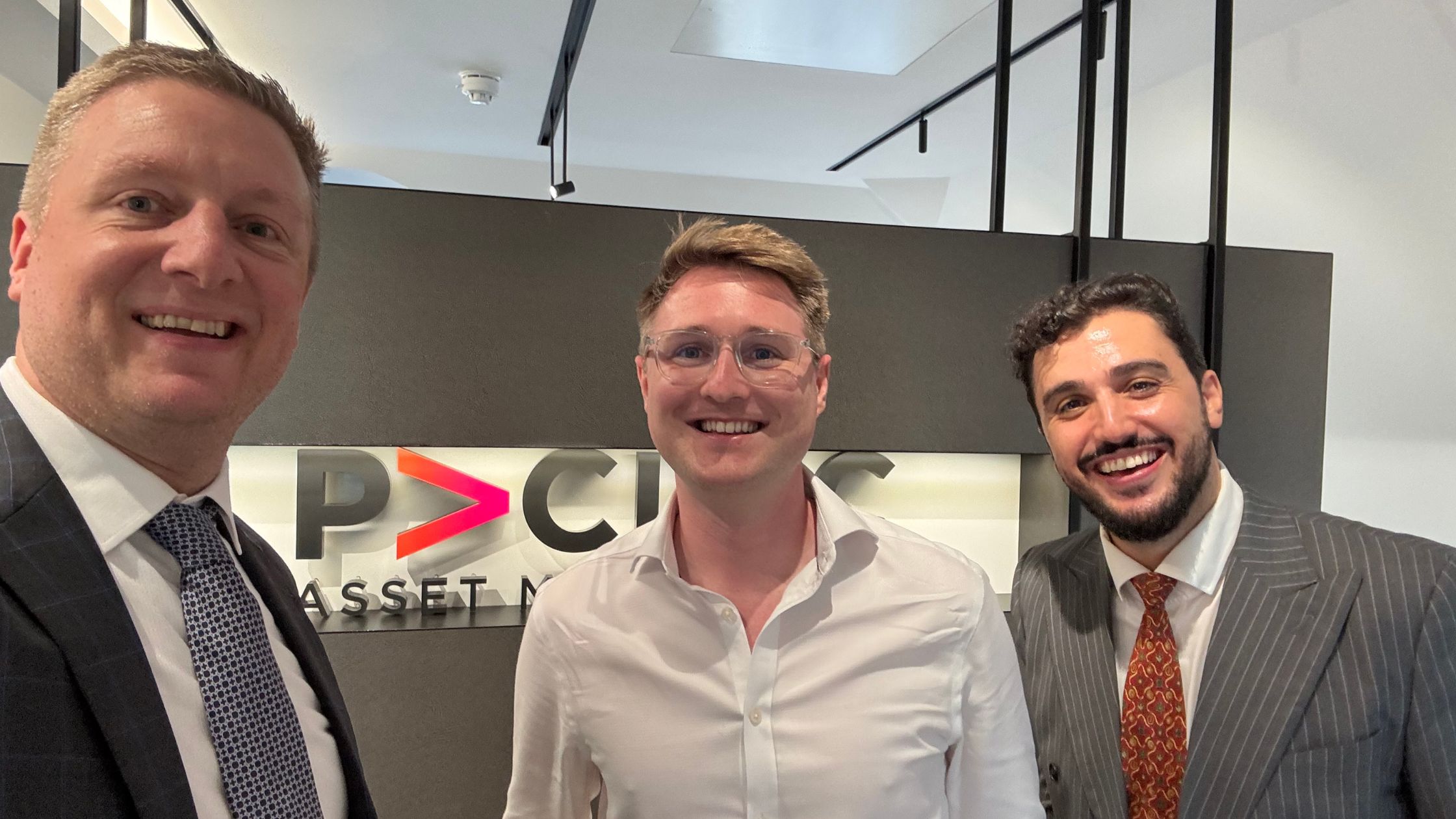
We have a chance to sit down with Will Bartleet, Chief Investment Officer at Pacific Asset Management, at their London offices. Conversations like this are why you get on a plane. Reading a fund factsheet tells you what a manager owns. Sitting across a table tells you how they think, where their conviction comes from, and what would make them change their mind.
That last question is the one that matters most for our clients. Anyone can defend a position. Fewer can tell you clearly what would falsify it. I have known Will for close to ten years, and we have been on a long journey together: rate cycles, market shocks and more than a few changes of mind on both sides. That history is what makes these conversations worth having. He’ll tell me where he thinks he’s wrong as readily as where he thinks he’s right.
Evelyn Partners and the cross-border question
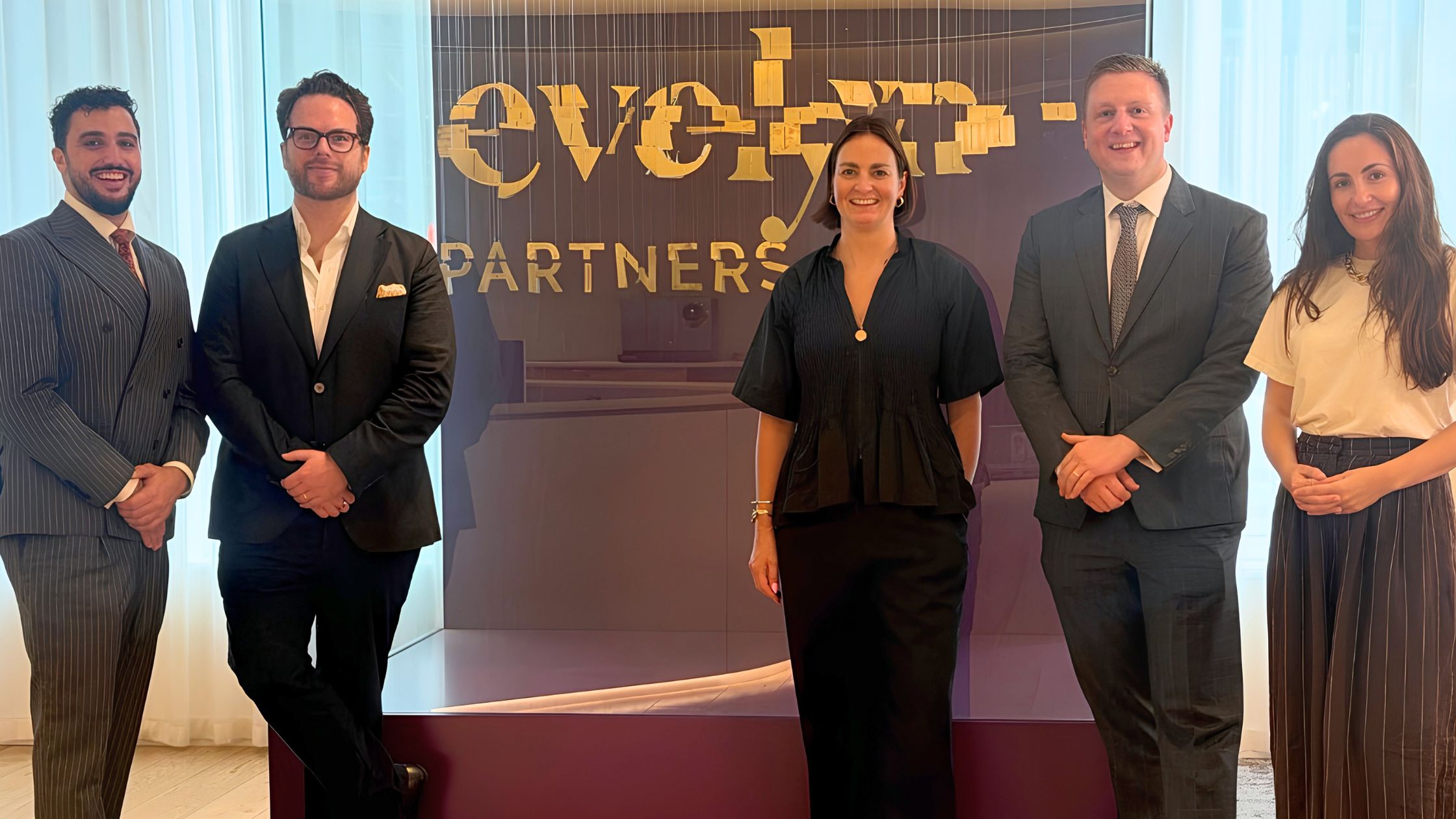
Time with the Evelyn Partners team turned to the area our clients live in every day: cross-border planning. Multiple jurisdictions, multiple tax regimes, pensions in one country, property in another, children being educated in a third, and a retirement plan that may land somewhere none of the above.
This is the fastest-growing complexity in our profession, and it is the least well served by generic advice. Residency changes. Treaty positions shift. Structures that were efficient five years ago can become expensive quietly, without anyone sending you a letter. What came out of the discussion was less a product conversation than a shared recognition of where the real opportunities sit: in coordination. The client who has an excellent adviser in each country, and nobody joining them up, is often the client paying the most for the least.
From New York to London with the IDAD team
Our team first met Clive Moore in person in New York in April, after years of working together over email and video calls. Six months later I'm sitting down with him and the IDAD pricing team in London, and the conversation picked up exactly where New York left off. It also went a level deeper. Where most of the week was spent on strategy and outlook, this was a session on mechanics: how a structure is actually built, what moves the price, and why two structured notes that look similar on a brochure can behave very differently when markets move. Sitting with the people who run the numbers rather than the people who present them is the quickest way to understand what you’re really buying on a client’s behalf.
It also sharpens the questions you ask next time. Volatility, funding levels and counterparty terms are not footnotes. They are the product.
Guinness Global Investors Annual Conference
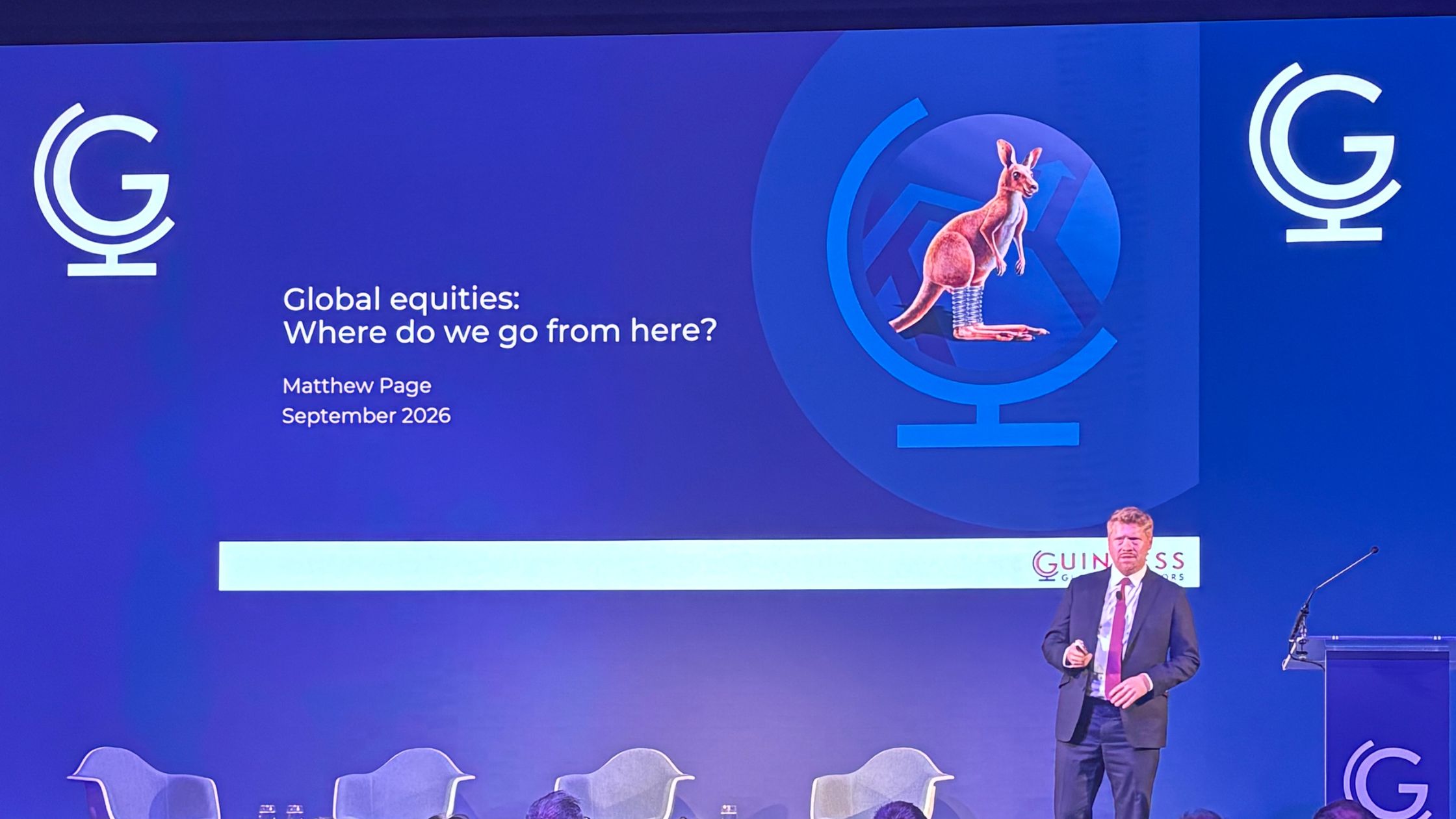
The centrepiece of the week. A full morning of investment thinking, and a reminder of how valuable it is to hear managers present their own case rather than have it summarised for you.
Edward Guinness opened. Craig Veysey covered a flexible approach to income, with credit case studies that showed how much of bond returns come from work most investors never see. Matthew Page took global equities and the uncomfortable question of where we go from here after a concentrated run. Mark Brennan looked at real assets through the lens of scarcity in an AI build-out that needs power, copper and land in quantities the market is still pricing.
Jonathan Waghorn's session, "Energy as a geopolitical weapon," was the one I'm still thinking about. Energy has moved from a sector allocation to a foreign policy instrument, and portfolios that treat it purely as a commodity exposure are missing half the picture.
The morning closed with Anthony Scaramucci in conversation with Anne McElvoy. Lively, as you'd expect, and a useful counterweight to the fundamentals-first sessions that preceded it.
A detail worth noting: Guinness ran a "next generation" panel putting their younger analysts on stage. Any firm willing to show you its bench rather than just its stars is telling you something about its succession planning. I took it as a good sign.
I’ve written about the conference in more depth on my Substack, including what it told me about Guinness as a partner and why the people behind a firm matter as much as its funds: No Adviser Is an Island

The parts that aren't on the agenda
London earns its place through the other hours too. The cheese counter at Neal's Yard, where the person serving you can trace a Tunworth back to the farm. A street corner in Soho at 8pm on a Monday with a queue outside. A grand old hall on a weeknight with a live band and couples dancing on a chequerboard floor, none of them under sixty, all of them better at it than I am.
Business gets done in these places as much as in boardrooms. That is the thing a video call cannot replicate, and it is why I will keep making the trip.
What I'm bringing home with me to Malaysia
Three things.
Presence compounds. Relationships built face to face survive market stress in a way that email relationships do not.
Complexity is the opportunity. Cross-border clients don't need more products. They need someone accountable for the whole picture.
London remains the best-connected room in global finance. Not the largest by every measure, but the one where the most conversations are available to you in the shortest time.
Worth the flight. Already planning the next one, including a potential trip to the FEIFA conference in 2027. Anyone looking to connect, find me on Linkedin.

Explore our Insights
Our team of global experts share their perspective on markets and news from the company.